Showing posts with label health. Show all posts

Sunday, January 6, 2019

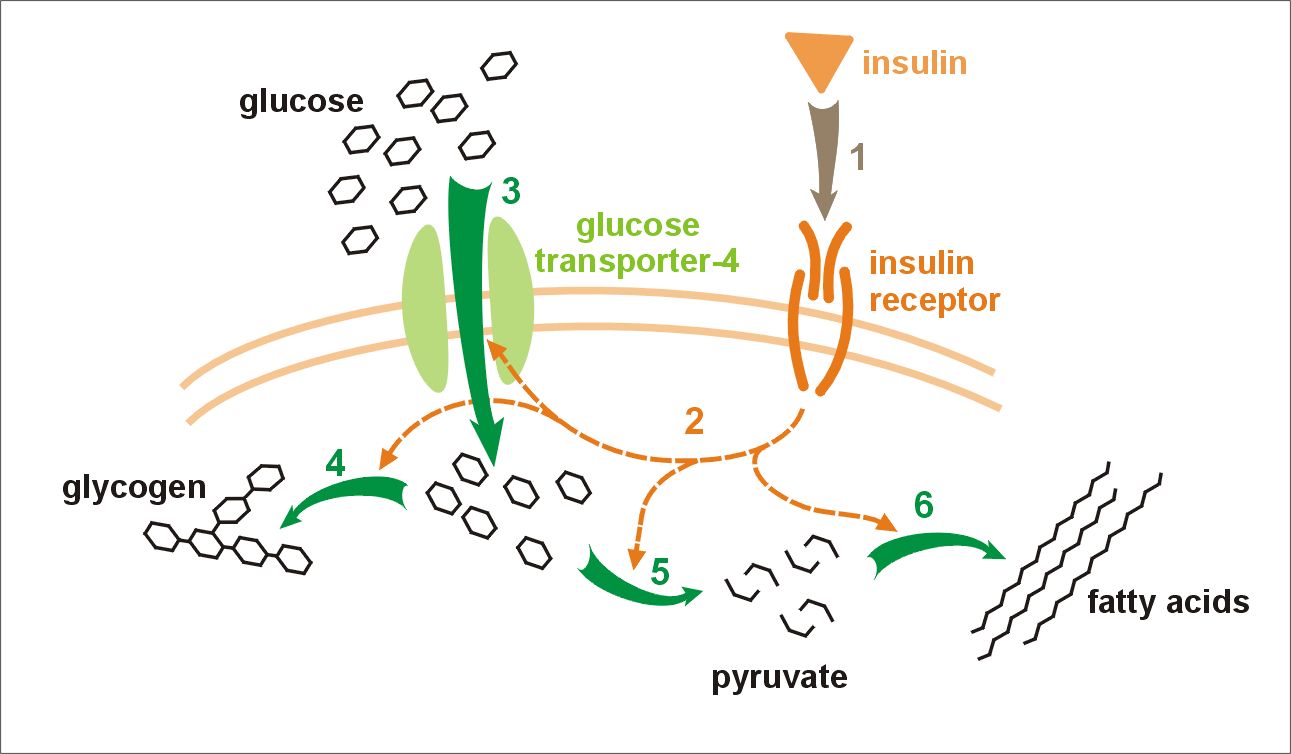
My First Wellness Poster: Diabetes

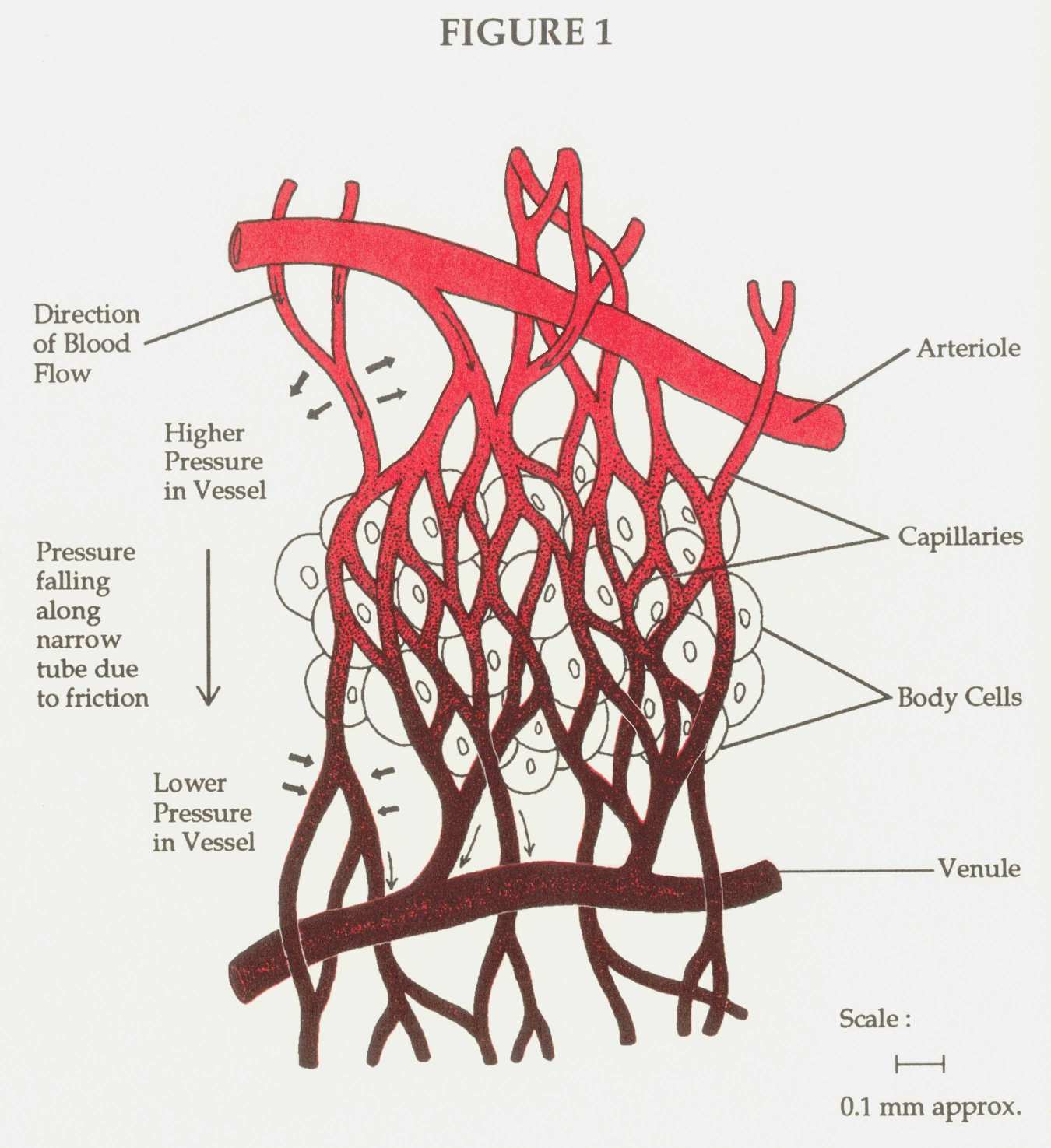
A poster explaining how diabetes works in patient-friendly language
Click to view larger
My first brush with patient advocacy from the medical community standpoint came in the form of a project I did for a class during undergrad. I was mostly working on prerequisites for physical therapy, but they are intense classes (anatomy, physiology, physics, chemistry, biology, the works!) that most people only take one or two at a time to ensure they get high enough grades to get into PT school (which basically means all As all the time). One semester I decided to take a class called "The Pathophysiology of Human Disease," which was taught by Dr. Douglas Carr, MD.

Dr. Carr explained that medical training was undergoing some changes and that there was a big push toward empowering patients to maintain better health through education. The class covered three common medical conditions in detail -- diabetes, breast cancer, and heart disease. We talked about the history of the condition, how it was diagnosed, how it worked from a physiologic standpoint, what the complications were and how they developed over time, and how they were managed from a medical and patient standpoint. There were even patients with each of the conditions who came in to talk to us about their history and answer questions for us. All of this was in preparation for a project in which we were to design a poster intended to educate a patient newly diagnosed with one of the three conditions, and we could choose which one.

I selected diabetes, and along with my score Dr. Carr sent me an email that I still have, in which he said it was clear that I had a good understanding of how these things worked and recommended that if I ever thought about becoming a medical doctor, I should come and talk to him. That kind of reinforcement and encouragement has been scarce in my life, and I was deeply touched by his kind words. I later asked him to write a letter of recommendation for my applications to physical therapy school, to which he graciously agreed. All of that was four years ago now, and every time I work with a patient who has diabetes I think about that class and Dr. Carr and all the things I learned.

It is my hope that eventually as I continue to add content, this blog will become a valuable resource both for people who want to understand and improve their health and for healthcare providers who want to understand how they can better help their patients. In that spirit, here is the first original resource I'll add to PT For the People.

SOURCES

List of terms used on ingredient labels for sugar:
IU Health Diabetes Center:
http://iuhealth.org/bloomington/diabetes-center/
Capillary bed:
Brain image modified from:
http://i.kinja-img.com/gawker-media/image/upload/s--VQCwnqwV--/17phitxlpacecjpg.jpg

All other images sourced from public domain images available via office.com or created by poster author Kelly Clark.
All information sourced from text & class pack for MSCI M 485, Spring 2015 at Indiana University Bloomington. 


Wednesday, December 26, 2018

About Me: The Making of PT for the People

My name is Kelly Ann Clark. I'm 38 years old and I live in a wholesome Midwest college town. As I write this in December 2018, I have just finished the classroom portion of my training to become a physical therapist, and I will graduate from Indiana University as a Doctor of Physical Therapy in May of 2019.

Before I went back to school to become a physical therapist, I worked for fifteen years in a meandering career that made stops in many industries - aerospace, finance, real estate, information technology, education, and scientific research. My roles were varied as well -- customer support, data management, quality assurance, writing, grants administration, project management. When I made the decision to change careers, I was prompted by an intensely personal motivation. I needed to make sense of my father's death.
photo of author and her father

My dad was only 58 years old when he died, less than six months after receiving a terminal cancer diagnosis. In that brief but intense brush with the medical world, I saw a side of healthcare that I did not understand and had never previously guessed might exist. My family and I were so ill-prepared to deal with what we found that we made many mistakes during that six months -- mistakes that cost my father valuable time and likely caused him unnecessary pain -- both physical and mental.

At the time, I did not know how formative that experience would be to me as an aspiring healthcare provider. I was simply traumatized and confused and needed something positive to channel my energy into, and could not think of a better way to honor my father than by using the inheritance that should have been his retirement to make my own dreams come true. However, as the years have passed and my understanding of the human body has grown, my understanding of my father's illness and medical treatment has also changed and I have come to understand that modern medicine is not exactly what most of us think it is.

While my father was sick, everything was so confusing. In retrospect, I can see that often it was only confusing because the doctors were telling us so many things that we did not want to hear or believe. We would seize upon anything hopeful and misunderstand everything else based on that unconscious need for everything to not be so terrible. The doctors seemed so detached that it was often hard to believe they were talking to us about matters of life and death.

With the clarity of hindsight, I realize that the doctors must have also thought we were oddly unconcerned by the way we casually disregarded so much of their medical advice. Throughout his treatment Dad rejected procedures and refused medicines based on expense or side effects or even sometimes simple distaste, never understanding that he was rejecting crucial treatments without alternatives. All along we were assuming, absurdly, that if our protests about side-effects or difficulty were petty in comparison to the import of the advice, that the doctor would tell us so unambiguously. They did not. This was one of many things I did not understand when I decided to leave my job and go back to school to become a physical therapist, and I never expected to understand it any better. However, over the last five+ years of schooling and clinical training, I have come to see that there is a massive gap in understanding between healthcare providers and their patients.

Healthcare providers don't understand why patients fail to follow their advice and seemingly refuse to take basic steps to ensure their own health and wellness. Healthcare consumers - patients - don't understand why physicians fail to diagnose / heal / help so many health problems, including persistent pain. Patients and practitioners alike feel frustrated and hopeless with the state of healthcare in the United States and many believe that the system is broken. I'm here to start a conversation about why I don't believe that is true, and how we can begin to usher in a shift in perspective that will help make us all a little more happy, healthy, and well.