Showing posts with label patient advocacy. Show all posts

Tuesday, February 4, 2020

Glass Walls: Wellness Advantage in the Healthcare Professions


Experience has taught me time and again that to be happy and feel good about what I am doing, I should listen to myself and be myself. I don't know if that is a struggle for most people, but it is for me. I have to work hard to ignore the well-intentioned suggestions and comments and projected aspirations of others. It is hard work because it is lonely, and loneliness is heavy.

As an entrepreneur and particularly as a solopreneur it is wonderful because I can act and execute on my weirdest, most out-of-the box ideas without anyone trying to talk me out of it. It is incredible to spend my days making things that originate in my mind a reality, and especially rewarding whenever any of those little ideas pans out in any way. It is lonely because there is no one there to see it, and when I try to share my experiences with those around me, the amount of explaining required becomes exhausting. I’ve recently realized that it is futile and that if I want a more rewarding experience in trying to share my thoughts on this venture, I have to turn ever further outward. And so here I am.

No one I know is trying to do anything remotely like this. Talking to someone about disrupting the healthcare industry as a life’s work when they are busy dealing with all sorts of things that I can’t begin to relate to – bosses, insurance, kids, medicare, bureaucracy of any kind…. It just doesn’t work.

And so I carry a burden of loneliness, especially amidst my fellow healthcare providers. For the longest time I took it personally, without even realizing that was what was happening. I would talk about what to me, feel like visionary dreams of a realistic path to dramatically improving healthcare and reversing a trend of low efficiency, high cost, and abysmal patient experiences. I was met with blank stares, skeptical questions, or statements intended to encourage but off-base to such an extent as to be either irrelevant or worse, discouraging (“Things will pick up as soon as you start accepting insurance!”) My husband is supportive and given that he is my forever-sounding board, he understands more readily than most what I am trying to do and believes I will do it, and that helps. But the ache to share this path with my fellow healthcare providers still runs deep.

This loneliness I feel is the prime reason I chose to walk this bumpy path straight into private practice. Despite meeting many practitioners and educators along the way whom have provided me with valuable insights, encouragement, hope, and of course, education, I have encountered a glass wall between myself and almost every professional I have met that I long could not name. Now that I have a name for it, I can’t rest until I share this insight with as many people in the healthcare world as I possibly can, and assuage the consequences of it for as many patients as I possibly can.

The name for that glass wall is Wellness Privilege.

On one side of the glass wall, there is wellness advantage, and with it, almost everyone in the healthcare professions. On this side, there are experiences like growing up in safe neighborhoods with sidewalks and yards or nearby parks. There are supportive, well-adjusted parents. There are vacations to little rented beach houses, regular checkups, and no worries ever about where the next meal is coming from. There are cars and busses and trains that always run to wherever needs to be gotten to, exercise for the sake of feeling good, and schools that have clean water, heat, and caring teachers.

On the other side, there is wellness disadvantage. This is the side where I my family and I live and grew up, along with most patients with chronic illness, persistent pain, obesity, diabetes, smoking and drinking problems, anxiety, language barriers, and any number of other conditions presently under the innocuous label “health disparity.” On this side of the wall, there are long drives or busy highways or provider shortages between us and all those parks and safe neighborhoods and regular checkups. There is incarceration and fear of deportation. There are parents who hit or neglect or yell or drink all the time or just aren’t around. Unconditional love is a fairy tale. There is hunger, whether from an empty belly or one only ever fed with the processed garbage we allow to pass for sustenance in our grocery stores. There is dysbiosis treated with antacids and Metamucil for years. There are eating disorders. Violence. Rape. Racism. Ableism. Forever-rented homes that change every year or three and the disruption of school and job changes that go along with those moves. The worst part is that there is no visible shortage of health literacy or education or competent healthcare, thanks to the effective disguise of never having known anything different and assuming that this is everyone’s life. Or, at least, the life of everyone who is not impossibly wealthy and educated and beautiful and inexplicably thin and healthy and together and generally good in a way we simply can’t ever picture ourselves being.

Most people never notice the glass wall. I’ve been thinking about that glass wall for three years now, and all the googling in the world does not yield anything that I consider a meaningful or helpful perspective about this wall. People on both sides just bump into the wall and bounce off of it without even noticing. Some folks on the advantage side know that there is something there, and throw words like “disparity” and “social determinants” and “biopsychosocial” at it. But those words are very long and a bit extra bouncy. Every once in a while, one will lance through an invisible hole in the wall, but when it crosses to the other side it looks more like it says “condescension” or “crazy” or “stupid.”

On that other side of the wall, there are lots more folks who know that something is there, and the theories about what it might be are much more variable. People throw lots of things at the wall from this side, and a lot of those things are sticky and opaque. Instead of bouncing off, they splatter and smear. They distort the glass wall and make the people on the other side look like monsters dressed in heartlessness and greed and maybe even kickbacks from drug companies. People on the disadvantage side of the wall throw buckets of things like anger and blame and frustration, never realizing that from the other side of the wall, everyone is terrified of getting splashed despite their obvious safety. Sometimes tears seep through the wall, but on the other side they don’t say “I am sad.” They expand and say so many other things too. Sometimes they don’t even say “I’m sad.” They say things like, “I am unstable and will make it hard to get all the other things that need to be done finished.” Or “I am more complicated than others and will require time and thought and attention that is not feasible right now.”  Or maybe, for some, “That’s a hot mess express train and I need to get TF out of the way.”

Not so long ago, around the time I started physical therapy school, I found a doorway through the wall. It seems to open mostly one way – from disadvantage to advantage. Most who find it let it close behind them without ever looking back. I can’t seem to do that, though. I’ve stepped through to the advantage side a million times, but I always feel like a tourist and every time I talk to a patient who is on the other side, I’m right back there with them regardless of where I or the wall or the door were only a moment before.

Sometimes I think that I’ve never left my side, and it’s just that now I can hear through the wall. Those times are the worst, and when I feel the most alone. I hear people say things that no one from my side of the wall was ever meant to hear, as the advantaged try to explain the disadvantaged from amongst themselves. It happened so often during physical therapy school, because that is when we know the least and ask the most innocent of questions – Why?

I rarely ask why, because I know. But when someone finds the door before they’ve ever bumped into a wall – they don’t even know they’ve passed through a door. They never see the door open or close. They are just walking, following those who already walk freely on the other side, explaining to them why those others are stuck without really having any idea what it is like over there. When those students finally have a moment to look back they are often too far in, and all they see is the stickiness and smears and monsters on the other side, glaring in a way that somehow says, “I am non-compliant.”

It’s different for me. I walked into that wall more than once before I found the doorway, and I still have the scars. I’ve watched my family members crash into it and die. I’ve stood next to the doorway beating on the wall for years, and I can honestly say that the best anyone on the other side ever did to help me find the door was gesture vaguely at something invisible off to the left. I can’t forget the wall is there and I can’t walk through the door and let it close behind me. I can’t stop hearing the voices on both sides of the wall. So what do I do?

Mostly, I throw wrenches at the wall. Sometimes I drill a little hole through. A few folks from either side are starting to hear me clanging away. I spend a lot of time washing smears off the wall, from both sides. I grab the lancing “condescension” out of the air and turn it into understanding with drawings and diagrams and discussion groups. I know these are all pieces of a greater whole. Even if no one else can see it, I’m building a diamond-tipped bulldozer, and someday I’m going to drive it right through that wall.

(If you are a healthcare professional and come from some form of disadvantage, particularly if you are alone among your family, please reach out to me. I always have time for like minds, because those rare moments of understanding and shared vision are life-giving in a way that nothing I have regular access to in my normal life can be. I can reached via email at pt4thepeople@gmail.com. If you’d like to learn more about me and everything I am doing to #DisruptHealthcare and how you too can #ChooseToCare, follow me on Twitter via @PT4ThePeople or visit my patient-focused blog, http://patientphysicaltherapy.com/blog)

Thursday, August 1, 2019

Understanding Wellness Disadvantage: Smoking


Screenshot of HHS.gov World Lung Cancer Day post on Twitter
The well-intentioned Twitter post that inspired this post.
You may be aware that I was inspired to join the health professions after my father died of lung cancer at 58. I have a theory on why lung cancer is and has long been the number one cancer killer.

Patients who smoke are subjected to medical bias & neglect for years pre-diagnosis under the erroneous assumption that they don’t care about their health. It is an easy assumption to make, and during my father’s illness I saw it in medical professionals of all kinds. Since then, in 6 years of education & clinical training, I have seen it come up again, and again, and again — with devastating impacts.

It isn't hard to understand why medical professionals exhibit bias toward smokers. It is a key risk factor or cause for a panoply of illnesses.

What is much harder to understand is why so many people still smoke. 


Why, even after it begins to cause problems, do so many people keep smoking and bat away nudges to quit with seemingly nary a thought? As a former smoker celebrating 8 years smoke-free this December, I can tell you.

Because quitting smoking is really hard!

And unfortunately, starting smoking is very easy, especially for young, impressionable folks with limited coping skills, or no support. When you’re young that rush of excess nicotinic activation feels like profound relaxation. Calm.

There is nothing that calms you down faster or more reliably than that first drag on a cigarette. Even though the longer you smoke the less good it feels, it becomes a crucial, quick-acting coping mechanism that is extremely hard to replace.

When you try to quit, it’s hell.


It’s like an evil gremlin lives in your mind and never talks about anything except smoking. The longer you’ve been smoking in pack years, the louder he is. Medications like Wellbutrin can help with the gremlin, but as with so many things medical, cost & access are a problem. Besides the gremlin, without medication or nicotine replacement you rapidly start to feel like an insane person. By the afternoon of the first or second day you are grouchy in a way that is almost impossible to control (ladies, think the worst PMS ever) and snapping at everyone.

People who love you and who you love back will literally ask you to smoke. 


That sounds ridiculous, right? Who would do that? Unfortunately, it happens all the time. The first time I ever tried to quit — just a few months after my first cigarette — my boyfriend got so sick of my attitude he asked me to please smoke a cigarette. Up until that moment, I didn’t even know what a “nic-fit” was, but you better believe that at eighteen years old when I heard that the reason I had been feeling like a murderous psychopath all day was simply for lack of one little cigarette, I lit up faster than you can say “No shit?” After all, I didn't smoke that much. I wasn’t really addicted, I could quit any time.


Yes, so dumb, but that's what I thought. via GIPHY

I kept smoking for eleven years and during that time I heard and was told hundreds of times how bad it was to smoke and how stupid it was and oh my gawd how can you stand the smell of it, but you know what no one ever told me?

That the nicotine rush I was experiencing was hypertension.

That every time I lit up, I was inducing a stress reaction in my own body that was intended to prepare me to remain calm while I did whatever was necessary to survive attack.

That this same stress reaction was smashing every bit of cholesterol in my blood into the walls of my arteries with every single heartbeat.

That the reason I coughed was because the tissue in my trachea had adapted to the constant assault of cigarette smoke by literally mutating into a different kind of tissue that couldn’t move anything out of my lungs without the assistance of a cough.

We don’t talk to smokers.


At least, we don’t talk to them like intelligent human beings who can understand & mitigate the consequences of their own actions when empowered with the knowledge all medical professionals must earn/maintain/update via enormous personal and financial sacrifice. We talk to them like losers who already understand perfectly well why they don’t feel good and choose it because god-knows-why-not-my-problem.

IT IS BULLSHIT.


Stop telling people smoking kills you. NO SHIT. WE KNOW.

How about instead you tell us HOW to slay the gremlin? How about you take the time to explain to a smoker who may come from a family with absolutely no energy or resources to spare toward wellness because they are just trying to survive exactly what is happening inside their bodies and why it is that "everyone says" smoking is bad.

This is basic Maslow’s hierarchy of needs, and we have all been educated to know better. It is our responsibility as healthcare providers to use that education to help our patients as much as we possibly can, even if we have our own gremlins with nasty things to say about smokers. Step one is admitting the gremlins exist and they are influencing our behavior. Step two is doing something about it. Congratulations on finishing this read instead of clicking away the first time you saw yourself in it. Your step two has already begun.


This content has been edited and supplemented from it's original format here and republished as a blog. 

For more content by Kelly Clark, DPT, PT, MT, visit PT For The People's sister LLC, Patient PT

Saturday, February 16, 2019

Shameless Plug: My Guest Blog on The Pulse

A few weeks back I had the honor of being published to the American Physical Therapy Association student news site, The Pulse.

I wrote a blog about my experience joining the physical therapy profession at a later stage in life than most, and why I think that physical therapy as a profession benefits from the voices of practitioners from all different backgrounds, just as our patients come from all different backgrounds. Check it out here!

Screenshot and Link to Five Things I Wish I'd Known Before Starting PT School
Click to View

Sunday, January 6, 2019

My First Wellness Poster: Diabetes

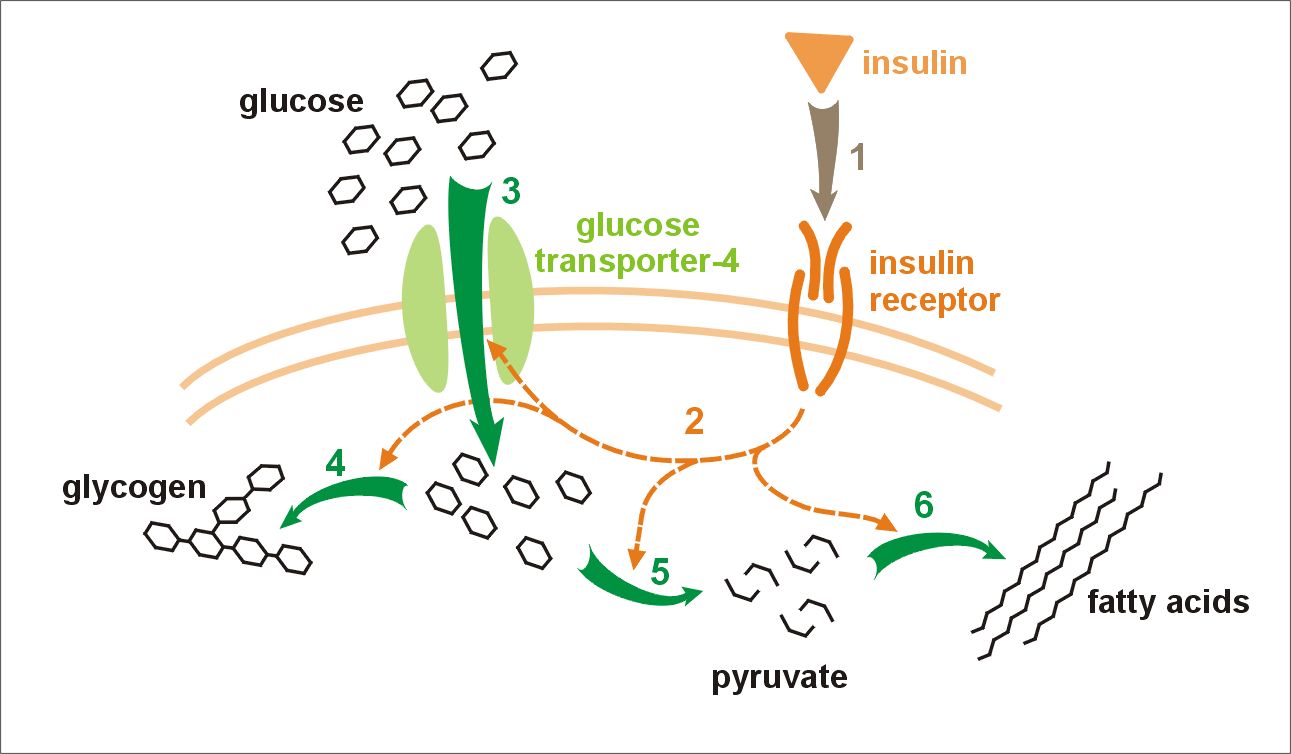
A poster explaining how diabetes works in patient-friendly language
Click to view larger
My first brush with patient advocacy from the medical community standpoint came in the form of a project I did for a class during undergrad. I was mostly working on prerequisites for physical therapy, but they are intense classes (anatomy, physiology, physics, chemistry, biology, the works!) that most people only take one or two at a time to ensure they get high enough grades to get into PT school (which basically means all As all the time). One semester I decided to take a class called "The Pathophysiology of Human Disease," which was taught by Dr. Douglas Carr, MD.

Dr. Carr explained that medical training was undergoing some changes and that there was a big push toward empowering patients to maintain better health through education. The class covered three common medical conditions in detail -- diabetes, breast cancer, and heart disease. We talked about the history of the condition, how it was diagnosed, how it worked from a physiologic standpoint, what the complications were and how they developed over time, and how they were managed from a medical and patient standpoint. There were even patients with each of the conditions who came in to talk to us about their history and answer questions for us. All of this was in preparation for a project in which we were to design a poster intended to educate a patient newly diagnosed with one of the three conditions, and we could choose which one.

I selected diabetes, and along with my score Dr. Carr sent me an email that I still have, in which he said it was clear that I had a good understanding of how these things worked and recommended that if I ever thought about becoming a medical doctor, I should come and talk to him. That kind of reinforcement and encouragement has been scarce in my life, and I was deeply touched by his kind words. I later asked him to write a letter of recommendation for my applications to physical therapy school, to which he graciously agreed. All of that was four years ago now, and every time I work with a patient who has diabetes I think about that class and Dr. Carr and all the things I learned.

It is my hope that eventually as I continue to add content, this blog will become a valuable resource both for people who want to understand and improve their health and for healthcare providers who want to understand how they can better help their patients. In that spirit, here is the first original resource I'll add to PT For the People.

SOURCES

List of terms used on ingredient labels for sugar:
IU Health Diabetes Center:
http://iuhealth.org/bloomington/diabetes-center/
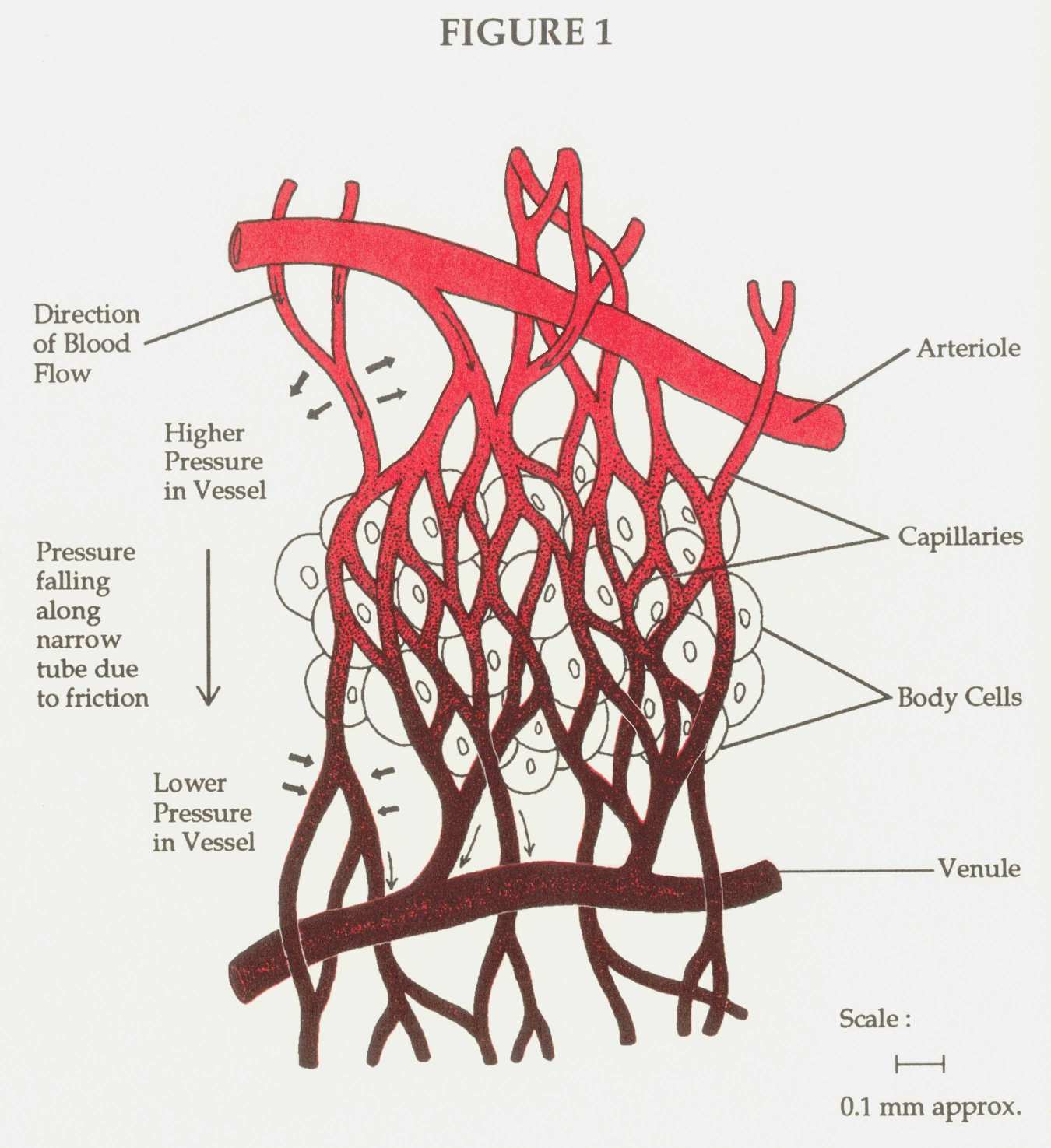
Capillary bed:
Brain image modified from:
http://i.kinja-img.com/gawker-media/image/upload/s--VQCwnqwV--/17phitxlpacecjpg.jpg

All other images sourced from public domain images available via office.com or created by poster author Kelly Clark.
All information sourced from text & class pack for MSCI M 485, Spring 2015 at Indiana University Bloomington. 


Wednesday, December 26, 2018

About Me: The Making of PT for the People

My name is Kelly Ann Clark. I'm 38 years old and I live in a wholesome Midwest college town. As I write this in December 2018, I have just finished the classroom portion of my training to become a physical therapist, and I will graduate from Indiana University as a Doctor of Physical Therapy in May of 2019.

Before I went back to school to become a physical therapist, I worked for fifteen years in a meandering career that made stops in many industries - aerospace, finance, real estate, information technology, education, and scientific research. My roles were varied as well -- customer support, data management, quality assurance, writing, grants administration, project management. When I made the decision to change careers, I was prompted by an intensely personal motivation. I needed to make sense of my father's death.
photo of author and her father

My dad was only 58 years old when he died, less than six months after receiving a terminal cancer diagnosis. In that brief but intense brush with the medical world, I saw a side of healthcare that I did not understand and had never previously guessed might exist. My family and I were so ill-prepared to deal with what we found that we made many mistakes during that six months -- mistakes that cost my father valuable time and likely caused him unnecessary pain -- both physical and mental.

At the time, I did not know how formative that experience would be to me as an aspiring healthcare provider. I was simply traumatized and confused and needed something positive to channel my energy into, and could not think of a better way to honor my father than by using the inheritance that should have been his retirement to make my own dreams come true. However, as the years have passed and my understanding of the human body has grown, my understanding of my father's illness and medical treatment has also changed and I have come to understand that modern medicine is not exactly what most of us think it is.

While my father was sick, everything was so confusing. In retrospect, I can see that often it was only confusing because the doctors were telling us so many things that we did not want to hear or believe. We would seize upon anything hopeful and misunderstand everything else based on that unconscious need for everything to not be so terrible. The doctors seemed so detached that it was often hard to believe they were talking to us about matters of life and death.

With the clarity of hindsight, I realize that the doctors must have also thought we were oddly unconcerned by the way we casually disregarded so much of their medical advice. Throughout his treatment Dad rejected procedures and refused medicines based on expense or side effects or even sometimes simple distaste, never understanding that he was rejecting crucial treatments without alternatives. All along we were assuming, absurdly, that if our protests about side-effects or difficulty were petty in comparison to the import of the advice, that the doctor would tell us so unambiguously. They did not. This was one of many things I did not understand when I decided to leave my job and go back to school to become a physical therapist, and I never expected to understand it any better. However, over the last five+ years of schooling and clinical training, I have come to see that there is a massive gap in understanding between healthcare providers and their patients.

Healthcare providers don't understand why patients fail to follow their advice and seemingly refuse to take basic steps to ensure their own health and wellness. Healthcare consumers - patients - don't understand why physicians fail to diagnose / heal / help so many health problems, including persistent pain. Patients and practitioners alike feel frustrated and hopeless with the state of healthcare in the United States and many believe that the system is broken. I'm here to start a conversation about why I don't believe that is true, and how we can begin to usher in a shift in perspective that will help make us all a little more happy, healthy, and well.